Commercial Pest Control in Canada: The Complete Guide for Businesses
Running a business in Canada comes with strict health regulations, safety standards, and reputation risks. Whether you manage a restaurant in Calgary, oversee a warehouse in Ontario, or operate a hotel in Vancouver, pest problems can quickly turn into financial and legal disasters.
That’s why working with a professional commercial pest control provider isn’t optional—it's essential.
In this guide, we’ll break down everything Canadian businesses need to know about commercial pest services, common infestations like cockroaches, rodents, bed bugs, and ants; and what to look for when choosing the right provider—including if you’re searching for pest control Calgary services.
What Is Commercial Pest Control?
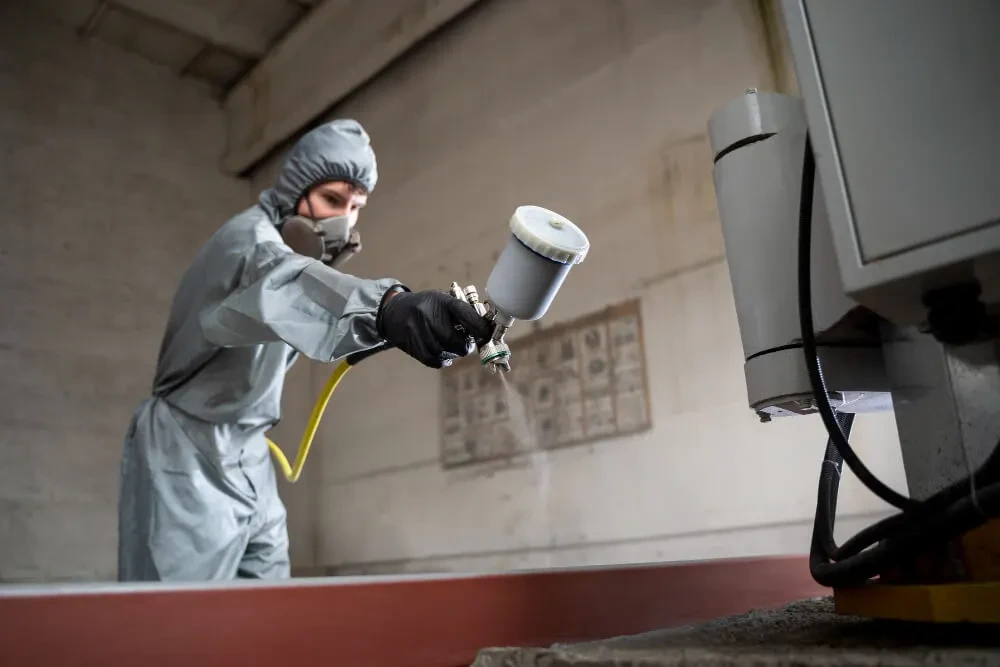
Commercial pest control refers to professional pest management services designed specifically for businesses, institutions, and commercial properties. Unlike residential treatments, these services focus on:
• Large-scale facilities
• Regulatory compliance
• Preventative monitoring programs
• Industry-specific treatment plans
• Ongoing contracts instead of one-time visits
The goal isn’t just removing pests—it's preventing infestations, protecting public health, and ensuring your business passes inspections.
Commercial vs Residential Pest Control
| Commercial Pest Control | Residential Pest Control |
| Designed for businesses | Designed for homes |
| Compliance-focused | Comfort-focused |
| Ongoing monitoring plans | One-time or occasional visits |
| Detailed documentation & reporting | Minimal documentation |
| Industry-specific treatments | General pest treatments |
For businesses in Canada, especially in regulated industries, commercial pest control must meet strict standards set by health authorities.
Industries That Require Commercial Pest Control in Canada
Certain industries are especially vulnerable to infestations and face serious consequences if pest issues are discovered.
Food & Beverage Facilities
Restaurants, food processing plants, commercial kitchens, and grocery stores are highly attractive to pests. Crumbs, moisture, and food storage areas create ideal breeding grounds for:
• Cockroaches
• Rodents
• Stored product pests
In cities like Calgary, restaurant owners often rely on specialized pest control Calgary providers to ensure compliance with Alberta Health Services regulations.
Healthcare Facilities
Hospitals, long-term care homes, and clinics must maintain sterile environments. Pests in these facilities can:
• Spread bacteria
• Contaminate equipment
• Trigger severe reputational damage
Professional commercial pest control ensures preventative inspections and documented compliance.
Property Management
Apartment complexes, condominiums, and office buildings frequently deal with:
• Ant infestations
• Rodents in basements
• Bedbugs in shared units
Property managers need ongoing pest management programs rather than reactive treatments.
Retail & Hospitality
Hotels and retail stores face significant risks from:
• Bedbugs
• Rodents
• Cockroaches
In hospitality, even one report of bed bugs can severely impact online reviews and occupancy rates.
Most Common Commercial Pests in Canada
Cockroach
Cockroaches are one of the most dangerous commercial pests. They spread bacteria like Salmonella and E. coli and are particularly common in the following:
• Commercial kitchens
• Food warehouses
• Apartment buildings
Effective cockroach control requires:
• Gel baiting systems
• Crack and crevice treatments
• Sanitation audits
• Ongoing monitoring
DIY methods rarely eliminate the root infestation.
Rodents
Rodent is critical for warehouses, restaurants, and retail spaces. Rats and mice:
• Chew electrical wiring
• Damage insulation
• Contaminate food
• Trigger health violations
Professional commercial pest control providers use:
• Tamper-resistant bait stations
• Exclusion methods (sealing entry points)
• Exterior perimeter defense
• Monitoring reports for audits
Canadian winters often drive rodents indoors, making preventative programs especially important.
Bedbugs
Bed bugs are a major issue in:
• Hotels
• Apartment buildings
• Shelters
• Staff accommodation housing
They spread quickly and are extremely difficult to eliminate without professional treatment. Heat treatments and targeted chemical applications are the most effective solutions.
Businesses in hospitality cannot afford negative online reviews caused by bedbugs.
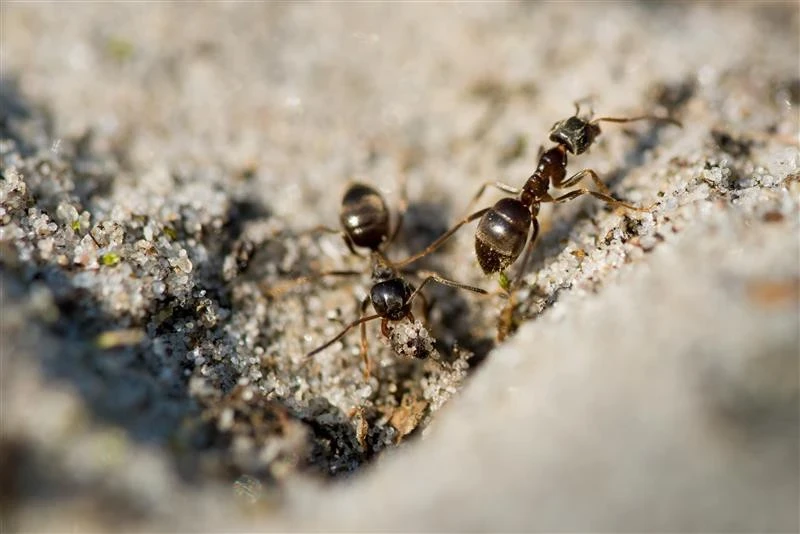
Ants
Ant infestations are common in:
• Office buildings
• Food establishments
• Warehouses
Carpenter ants can even damage structural wood, leading to costly repairs. Professional treatment focuses on identifying the colony source rather than just eliminating visible ants.
How to Choose the Best Commercial Pest Control Provider in Canada
Not all pest companies specialize in commercial pest control. When evaluating providers, consider the following:
What to Look For
1. Licensing & Certification
Ensure technicians are licensed under provincial regulations.
2. Industry Experience
Choose a company familiar with your specific industry requirements.
3. Integrated Pest Management (IPM)
IPM focuses on prevention, monitoring, and minimal chemical usage.
4. Detailed Documentation
Audit-ready reports are essential for inspections.
5. Emergency Response
24/7 service availability is critical for urgent infestations.
If you operate in Alberta, searching for experienced Calgary pest control professionals with commercial expertise ensures localized knowledge of seasonal pest pressures.
Questions to Ask Before Hiring
• Do you offer customized pest management plans?
• How often will inspections occur?
• What documentation is provided for audits?
• What is your response time for emergencies?
• Do you provide preventative programs or only reactive treatments?
Choosing the right partner ensures long-term protection rather than short-term fixes.
Commercial Pest Control Regulations in Canada
Commercial facilities must comply with federal and provincial health and safety laws.
Key regulatory considerations include:
• Food safety standards
• Workplace safety requirements
• Provincial pesticide regulations
• Public health inspection standards
Failure to maintain proper pest control documentation can result in:
• Fines
• Temporary closures
• License suspensions
• Legal liability
A professional commercial pest control program includes detailed service logs, monitoring records, and compliance documentation.
Cost of Commercial Pest Control in Canada
Costs vary depending on several factors.
Pricing Factors
• Size of facility
• Type of pest
• Severity of infestation
• Frequency of service
• Industry compliance requirements
• Emergency vs preventative services
Average Cost Ranges
While pricing varies across provinces, most businesses can expect:
• Monthly preventative programs: Based on facility size.
• One-time treatments: Higher cost if infestation is severe.
• Annual service contracts: Most cost-effective long-term option.
Investing in preventative service is typically far less expensive than dealing with a major infestation or failed health inspection.
Benefits of Hiring Professional Commercial Pest Control
1. Protect Your Reputation
Online reviews can make or break a business. One customer spotting a cockroach or rodent can cause lasting damage.
2. Prevent Business Closures
Health inspectors take pest issues seriously. Ongoing service reduces shutdown risks.
3. Ensure Employee & Customer Safety
Rodent control and cockroach control reduce health hazards in the workplace.
4. Long-Term Cost Savings
Preventative maintenance costs less than emergency extermination and structural repairs.
5. Regulatory Compliance
Professional providers ensure documentation is inspection-ready at all times.
Why Ongoing Pest Management Is Better Than One-Time Treatments
Many business owners make the mistake of calling pest control only when they see activity.
The problem? By the time pests are visible, the infestation is already advanced.
Ongoing commercial pest control programs include:
• Scheduled inspections
• Monitoring systems
• Preventative treatments
• Seasonal strategy adjustments
• Digital service reports
For example:
• Winter: Increased rodents focus
• Spring: Ant prevention
• Summer: Cockroach control
• Year-round: Bedbug monitoring in hospitality.
Preventative strategies reduce risk dramatically.
FAQ: Commercial Pest Control in Canada
Q. How often should a business get pest control?
Most businesses require monthly or bimonthly service, depending on risk level and industry regulations.
Q. Is pest control required by law in Canada?
While not always explicitly mandated, food, healthcare, and hospitality industries must maintain pest-free environments to comply with health standards.
Q. How much does commercial pest control cost?
Costs vary by facility size and pest type, but ongoing service contracts are the most economical solution.
Q. What pests are most common in Canadian businesses?
Cockroaches, rodents, bed bugs, and ants are the most frequently reported commercial pests.
Final Thoughts
Commercial properties face unique pest risks that require specialized solutions. Whether you operate a restaurant, warehouse, healthcare facility, or office building, professional commercial pest control services are essential for protecting your reputation, meeting compliance standards, and ensuring long-term operational stability.
If you’re searching for affordable pest control Calgary services anywhere in Alberta, Canada, choose a provider that offers preventative programs, detailed documentation, and industry-specific expertise.
The right commercial pest control partner doesn’t just eliminate pests—they protect your business.