Pest Control Tips for Businesses and Restaurants
Avoiding costly infestations, health risks, and reputational damage starts with choosing reliable pest control near me for your business. Rodents, cockroaches, flies, and pantry insects create serious challenges in commercial spaces. This guide shares practical prevention strategies, a pest control checklist, and expert advice to keep operations protected.
Why Pest Control is Critical for Businesses
Pests in commercial environments create more than just nuisance issues.
Food Safety and Contamination
Rodents and insects can contaminate food and spread disease. Proper pest control prevents foodborne illnesses and avoids potential lawsuits.
Brand Reputation
Even one pest sighting can harm customer trust. Proactive pest management preserves your business image.
Regulatory Compliance
Health inspections enforce strict pest control standards. Non-compliance may result in fines, closures, or mandatory remediation.
Cost Efficiency
Preventive measures cost far less than dealing with established infestations. Investing in structured commercial pest control protects both money and operations.
Identifying Common Commercial Pests
Understanding your enemy is the first step in prevention.
Rodents—Mice and Rats
Rodents can enter through small gaps, utility lines, or vents. Signs include droppings, gnaw marks, and unusual noises. Professional mice control Calgary services can remove infestations effectively.
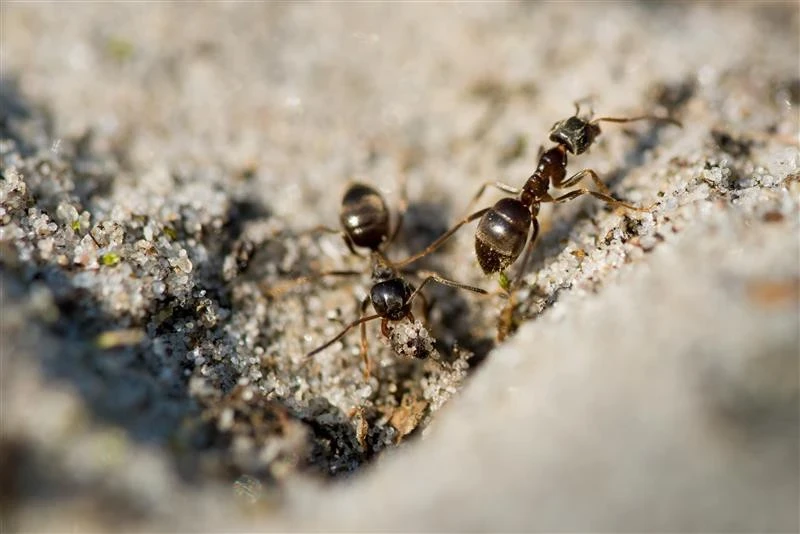
Cockroaches and Ants
Cockroaches thrive in damp areas and contaminate food, while ants invade storage zones. Early detection and sanitation are essential.
Flies
Flies carry bacteria from waste to food prep areas. Proper disposal of garbage and maintenance of sanitation protocols limit their presence.
Stored-Product Pests
Grain beetles, weevils, and pantry moths infest packaged goods. Regular inspection, proper storage, and sealing containers prevent infestations.
Preventive Measures for Businesses
Sanitation and Hygiene
- Clean prep areas daily.
- Store all food in sealed containers
- Remove garbage promptly.
- Avoid stagnant water that attracts pests.
Structural Maintenance
- Seal cracks around doors, windows, and vents.
- Repair leaks and ensure proper drainage.
- Maintain screens and barriers at all entry points.
Staff Training
Employees should:
- Store food correctly.
- Manage waste efficiently.
- Report pest sightings immediately.
Monitoring Systems
Use traps and devices to detect pest activity early, enabling timely interventions.
Commercial Pest Control Strategies
Integrated Pest Management (IPM)
IPM combines monitoring, preventive measures, and targeted treatments for long-term control.
Professional Partnerships
Expert pest control services provide:
- Mouse control and rodent management
- Cockroach and ant eradication
- Long-term monitoring and prevention plans
Seasonal Adjustments
Pest activity changes by season. Rodents seek indoor shelter during winter, while flies and ants peak in summer. Adjusting strategies seasonally improves results.
Pest Control Checklist for Businesses
A pest control checklist ensures nothing is missed:
Daily:
- Clean surfaces and prep areas
- Remove garbage and sanitize bins
- Check for signs of pests
Weekly:
- Inspect storage areas
- Seal cracks and entry points
- Review traps and monitoring logs
Monthly:
- Inspect structural integrity
- Schedule professional inspections if needed
- Evaluate effectiveness of preventive measures
Quarterly / Seasonal:
- Deep clean kitchens and storage areas
- Update IPM plans
- Train staff on best practices
Call to Action / Next Steps
Maintaining a pest-free business requires vigilance and expertise. Partner with trusted commercial pest control professionals and implement daily preventive practices.
Schedule a professional pest inspection today or use this checklist to start preventive measures immediately. Your staff, customers, and reputation will thank you.